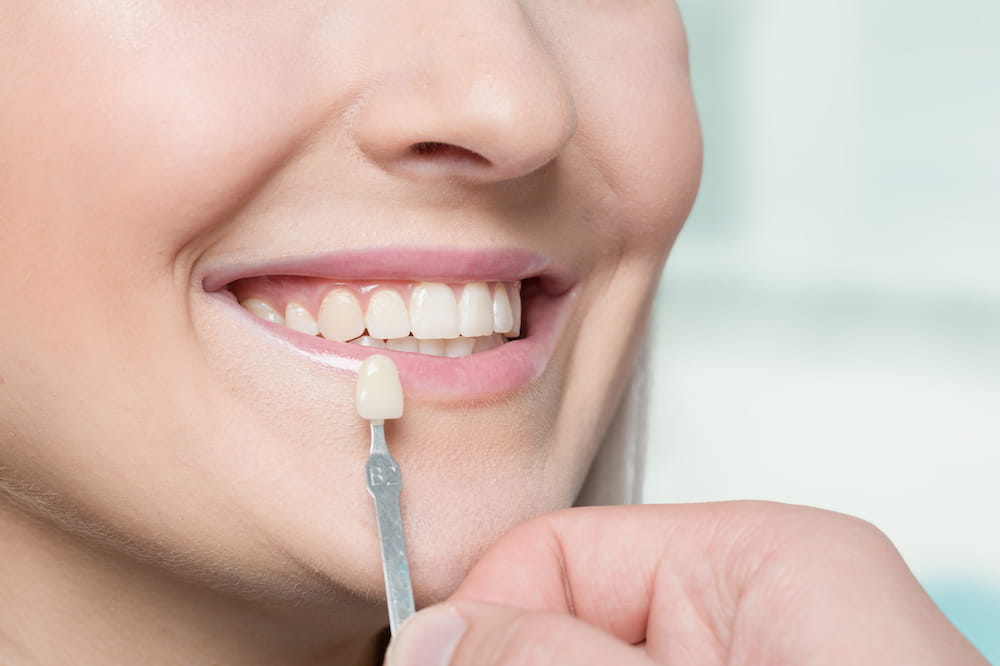
In today’s world, having a brilliant smile is more the norm than an exception. Thanks to the advancement in dental health, more people are getting treatments for their teeth than ever before. This then spirals, especially online.
Seeing others with brilliant smiles has even led to an increase in dental appointments by Gen Z, as they too hope to fix up their smiles and put a more confident face forward in the world.
Now, braces can straighten your teeth, but they can’t change your teeth. If you experience a break, a chip, or even lose a tooth, however, that doesn’t mean you’re doomed to a less-than-perfect smile. Instead, you have a whole range of options, from tooth caps, to veneers.
Not sure about the difference? This guide is just what you need.
Dental Veneers
There are so many reasons why people may not like how their teeth look. Perhaps they find their teeth to be too small, or chipped, or stained. There are so many reasons why you may not be 100% happy with the way that they look.
The solution? Veneers. Now, due to their higher cost, veneers are typically only done on the front teeth, but technically you can have them done throughout your entire mouth. For the most natural results, porcelain veneers from highly rated clinics such as Palmer Dental Group are your best bet.
Dental Crowns
A crown is a tooth-shaped cap that is designed to cover a broken tooth. They are typically used to restore a tooth’s size, it’s shape, and even its original appearance if the one you had previously broke off or was removed during a root canal procedure.
Inlays and Onlays
Inlays fit inside a tooth, and onlays on top of it. They’re used to repair damage and can be considered to be the more budget-friendly version of a full dental crown. These may be made from porcelain, metal, or a composite resin.
Dental Implants
If you have fully lost a tooth and want to restore full function then the best option is to get a dental implant. In this procedure the dentist drills into your jawbone to place a mount (similar to the tooth’s original root).
After a healing period, you can then go in and get a fake tooth installed in that mount. This tooth will typically be made from porcelain and is designed to match your existing teeth. Since the tooth is mounted into your jawbone like the rest of your teeth naturally are, your new fake tooth will perform exactly as the old one did.
Picking the Right Material
In most cases you’ll have a choice of material when it comes to the dental work that you have done. Porcelain offers the most natural-looking results and can last a lifetime, so it’s best suited for your front-facing teeth.
Composite is a great mixture of both worlds, and is typically used for back teeth or to fill cavities. Metal, today, is a choice. Some people, for example, get titanium or even diamond teeth put in.
Did you find this helpful? Check out our other helpful articles on our website.
Read Also
- Top Trends Shaping the Future of Mental Health Care
 Mental health care is moving fast to meet daily human needs. People want direct care that fits modern life. Clinics respond by creating flexible options that make healing easier to reach. Providers look past rigid habits to give people solid care. From smart tools to body wellness, these changes help people find relief when life… Read more: Top Trends Shaping the Future of Mental Health Care
 - Full-Arch Dental Tourism: Why UK Patients With Severe Bone Loss Are Looking AbroadDental implants have become one of the fastest-growing segments of private dentistry. Within that market, one patient group behaves very differently from the rest: people who have been told they do not have enough upper jawbone for conventional implants. For these patients, the choice is rarely between one clinic and another. It is between a… Read more: Full-Arch Dental Tourism: Why UK Patients With Severe Bone Loss Are Looking Abroad
- Levels of Mental Health Care and When to Seek SupportMental health care can range from occasional outpatient appointments to 24-hour hospital treatment. The appropriate level depends on safety, symptom severity, daily functioning, medical needs, available support, treatment history and personal preferences. A licensed clinician should assess these factors rather than relying on a symptom list alone. Need help now? In the United States, call… Read more: Levels of Mental Health Care and When to Seek Support
- How to Choose a Shilajit Brand Based on the ResearchIn a randomized trial published in the Journal of the International Society of Sports Nutrition in 2019, 63 active men took 250 mg of standardized shilajit, 500 mg, or a placebo every day for eight weeks, and the benefit for strength retention after a fatiguing workout appeared only at 500 mg. For anyone choosing a… Read more: How to Choose a Shilajit Brand Based on the Research
- How to Incorporate Relaxation into Your Busy ScheduleFinding balance when you have a packed daily agenda often feels out of reach. Between work duties, family obligations, and personal projects, personal rest usually gets pushed to the bottom of the list. Small, intentional shifts in daily habits can help restore calm without requiring hours of extra free time. Continue reading to discover everything… Read more: How to Incorporate Relaxation into Your Busy Schedule
- Red Light Therapy for Skin and Wellness: Meet Vital Red Light TherapyModern wellness is not always about complicated treatments or long routines. Many people are now looking for simple, convenient ways to support their skin, recovery, and overall wellness at home. One technology getting more attention is red light therapy. Red light therapy uses specific wavelengths of red and near-infrared light to support the body’s natural… Read more: Red Light Therapy for Skin and Wellness: Meet Vital Red Light Therapy
- Managing Shock Loss After a Hair Transplant: The Financial and Clinical Imperative of Post-Op CareIn the rapidly evolving landscape of private healthcare, executive leadership within cosmetic and restorative surgery clinics faces a dual challenge: maintaining strict clinical standards while maximizing patient lifetime value (LTV) and brand advocacy. As the global medical tourism and elective procedure markets expand, clinical outcome quality alone is no longer the sole differentiator for premium… Read more: Managing Shock Loss After a Hair Transplant: The Financial and Clinical Imperative of Post-Op Care
- Transform Your Skin Health: Premier Gluta IV Therapy in DubaiThis comprehensive guide explores how modern intravenous wellness treatments can help revitalize your complexion, boost immune function, and support overall cellular health. By incorporating modern IV therapy Dubai services into a routine health regimen, individuals can achieve direct nutrient absorption for optimal results. Selecting a customized gluta IV drip Dubai treatment provides targeted antioxidant defense,… Read more: Transform Your Skin Health: Premier Gluta IV Therapy in Dubai